Leptospirosis and Flooding: What Filipinos Need to Know
Text by STEF GUILLERMO | Photo by ERLIN M. DUE
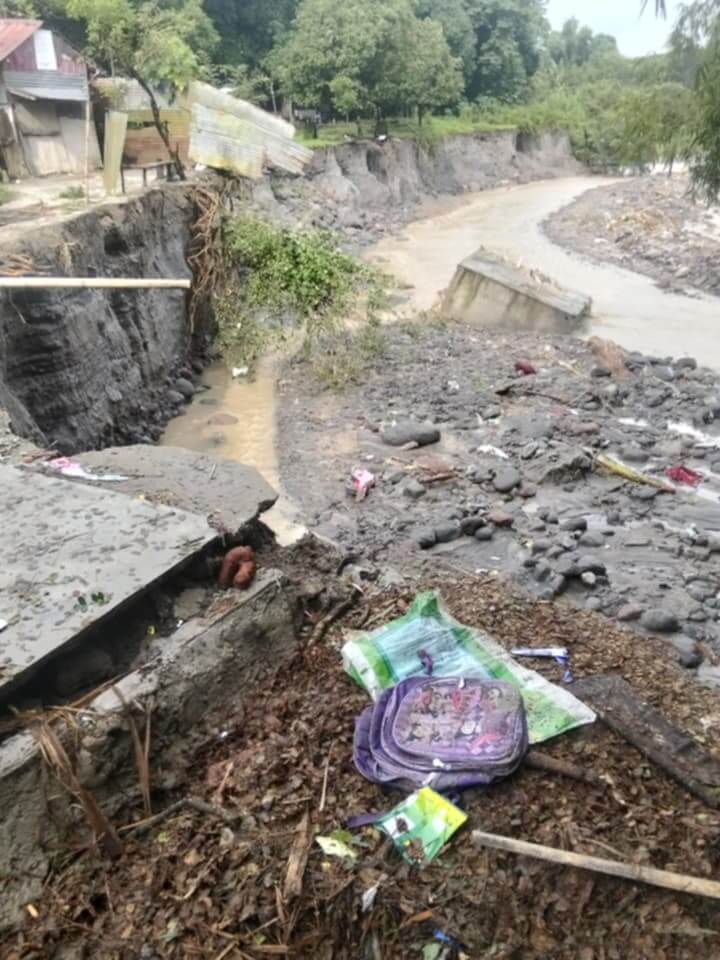
Heavy rains and flooding are familiar challenges in the Philippines, particularly during the monsoon and typhoon seasons. Beyond damaged homes, disrupted transportation, and evacuation concerns, floods can also create serious public health risks.
One of these is leptospirosis, a bacterial infection commonly associated with exposure to floodwater contaminated by the urine of infected animals.
The risk becomes particularly important when people have little choice but to walk through flooded streets, clean flooded homes, remove debris, or stay in areas where sanitation systems have been disrupted.
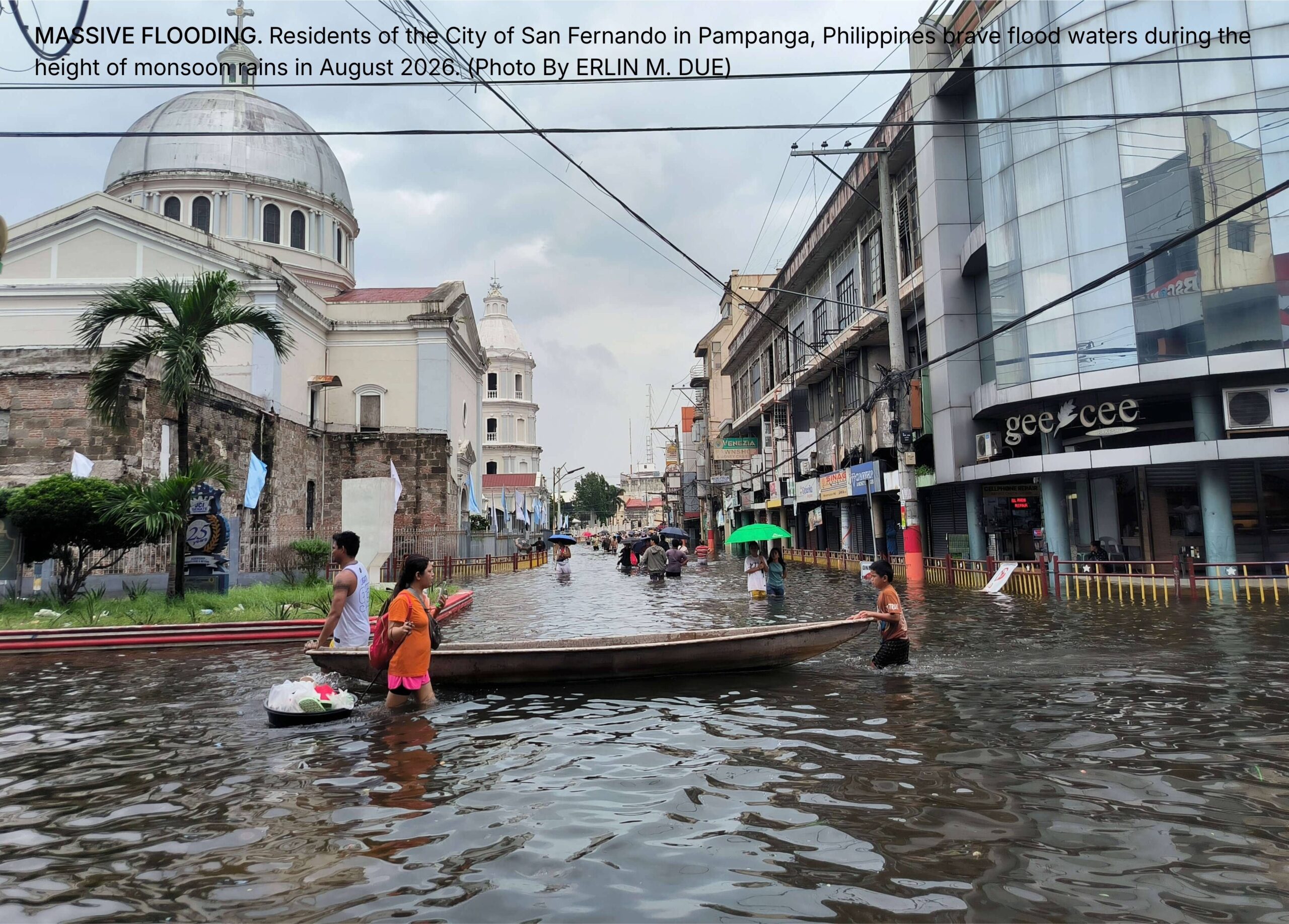
In August 2026, Department of Health (DOH) regional offices again warned communities about leptospirosis amid severe monsoon flooding. In Central Luzon, the DOH reported that more than 5,000 families remained in evacuation centers as of August 20 and said more than 200,000 doses of doxycycline had been distributed as part of the health response. The DOH Ilocos Region also urged residents exposed to floodwater to seek advice from their nearest health facility.
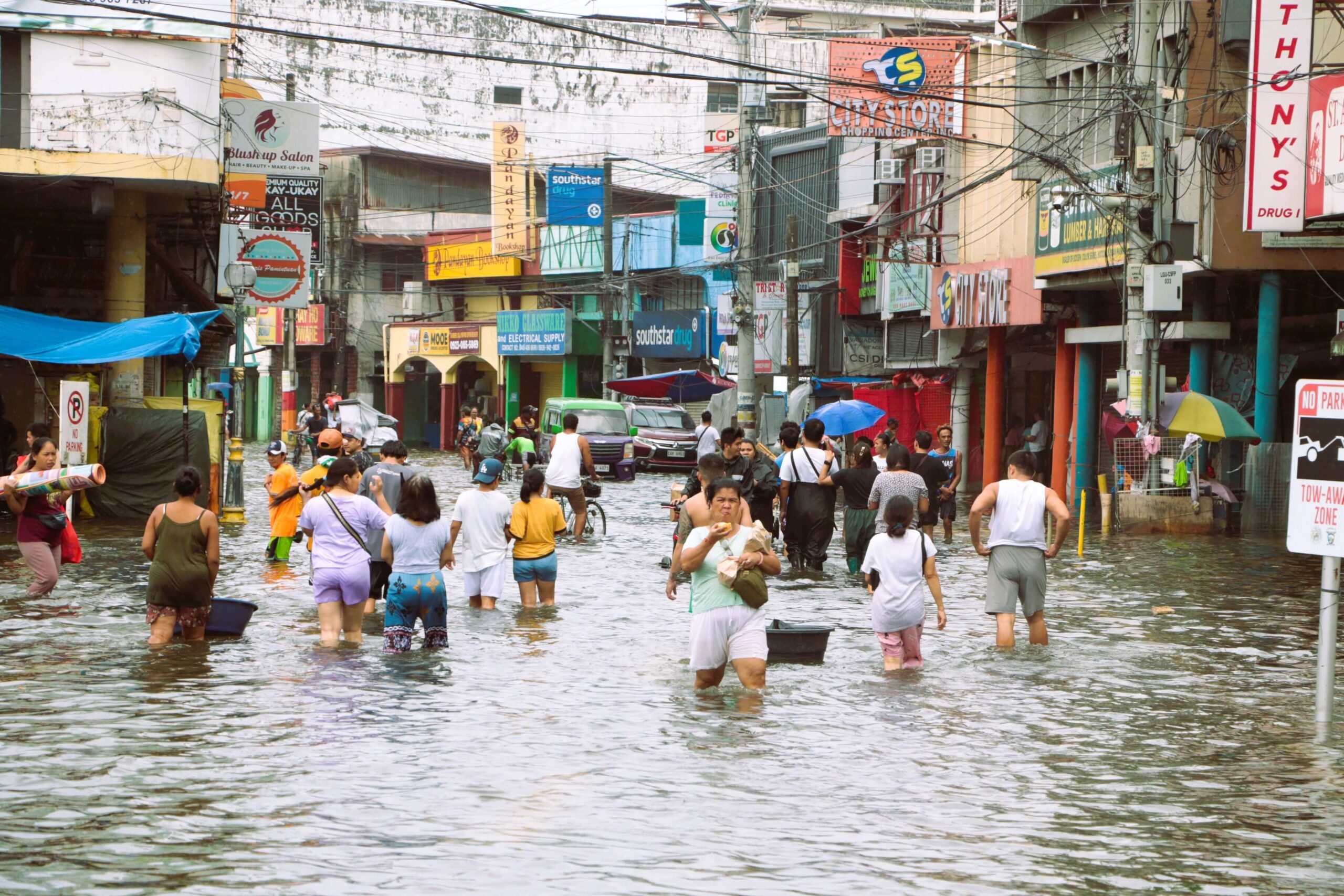
Flooding in City of San Fernando, Pampanga, Philippines. (Photo by Erlin M. Due)
What Is Leptospirosis?
Leptospirosis is an infectious disease caused by bacteria belonging to the genus Leptospira. It can infect both humans and animals.
Animals carrying the bacteria can release them through their urine. Rats and other rodents are often associated with transmission, but dogs, livestock, and various wild animals may also carry Leptospira.
When infected urine contaminates water or soil, the bacteria can survive in the environment for weeks or even months under suitable conditions. People can then become infected through contact with contaminated water or soil.
This is one reason leptospirosis is closely linked to flooding.
Floodwater can mix with sewage, garbage, soil, animal waste, and drainage water. A flooded street that appears to contain only rainwater may therefore carry invisible contaminants.
Research on leptospirosis in the Philippines has also identified flooding as an important driver of transmission. A 2026 policy review published in Emerging Infectious Diseases described leptospirosis as a recurring public health problem in the Philippines, particularly during monsoon floods and typhoon seasons.
How Can You Get Leptospirosis?
A person can become infected when contaminated water or soil comes into contact with:
- cuts, scratches, or other breaks in the skin
- the eyes
- the nose
- the mouth
- other mucous membranes
Exposure does not always require a large or obvious wound. Even small abrasions may provide an entry point for the bacteria.
People may be exposed while walking through floodwater, cleaning a flooded house, handling contaminated objects, working around drainage or sewage, or consuming food or water contaminated with animal urine.
Flood survivors, sanitation workers, farmers, emergency responders, people involved in cleanup operations, and residents of areas with significant rodent populations may face increased exposure risks.
Symptoms May Not Appear Immediately
One of the difficulties with leptospirosis is that symptoms may not begin immediately after exposure.
According to the Centers for Disease Control and Prevention (CDC), symptoms generally develop 2 to 30 days after exposure to the bacteria, with an average incubation period of 5 to 14 days. Possible symptoms include:
- fever
- headache
- chills
- muscle or body aches
- nausea or vomiting
- diarrhea
- abdominal pain
- tiredness
- red eyes
- jaundice, or yellowing of the skin and eyes; and
- sometimes a rash.
Muscle pain, particularly around the calves, may also occur.
These symptoms can resemble dengue, influenza, viral infections, or other illnesses common during the rainy season. Because symptoms overlap with several conditions, a medical professional should evaluate a person with possible exposure to floodwater rather than relying on symptoms alone.
Tell your healthcare provider if you recently walked through or had significant contact with floodwater. This information can help with diagnosis and treatment decisions.
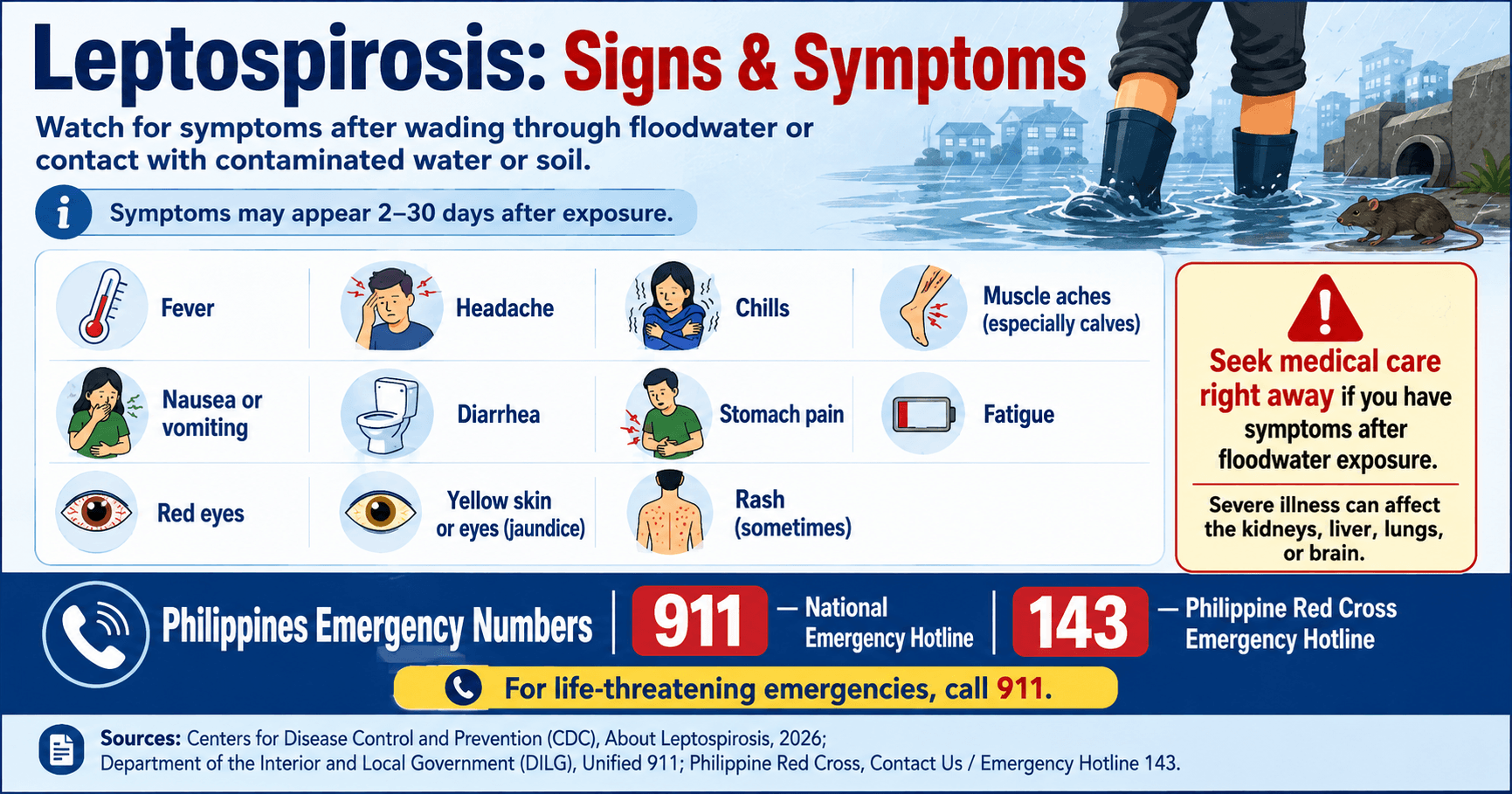
Share this infographic!
Can Leptospirosis Become Serious?
Many cases can be treated successfully, especially when the disease is recognized early. However, leptospirosis should not be dismissed as a simple fever.
Severe infections can affect several organs and may lead to kidney damage or kidney failure, liver failure, meningitis, respiratory problems, and other life-threatening complications. The CDC estimates that approximately 5% to 10% of people who develop clinical leptospirosis may experience severe multiorgan disease that can result in death.
Seeking medical attention promptly after symptoms appear is therefore important.
What Should You Do After Walking Through Floodwater?
Avoiding floodwater completely is the safest option, but that is not always realistic during emergencies. If contact cannot be avoided, several measures can help reduce risk.
- Wear Protective Footwear: Use waterproof boots or other protective footwear when walking through floodwater. Gloves and protective clothing may also be appropriate during cleanup operations.
- Cover Cuts and Scratches: Cover existing cuts, scratches, and wounds with waterproof dressings before potential exposure.
- Wash After Exposure: After contact with floodwater, wash exposed skin thoroughly with soap and clean water as soon as practical.
- Keep Food and Drinking Water Safe: Do not use floodwater to prepare food, wash dishes, brush your teeth, or drink. WHO recommends boiling or appropriately treating potentially contaminated drinking water following floods. Food that has come into contact with floodwater should generally be discarded.
- Control Rodents Around the Home: Keep food, drinking water, animal feed, and garbage in properly sealed containers. Cleaning areas where rodents may live or feed can also help reduce exposure.
What About Doxycycline After Flood Exposure?
You may hear doxycycline mentioned whenever leptospirosis and flooding are discussed in the Philippines.
The DOH has distributed doxycycline in flood-affected areas, including during the recent 2026 monsoon response. DOH Ilocos has advised residents who have had unavoidable exposure to floodwater to visit their nearest Rural Health Unit for assessment and possible preventive treatment.
However, do not automatically take antibiotics simply because you walked through floodwater.
The need for preventive medication can depend on the type and duration of exposure, medical history, age, pregnancy status, other medications, and additional health considerations. The CDC also notes that evidence supporting routine post-exposure antibiotic prophylaxis is limited and that decisions should be made between patients and healthcare professionals.
If you have been significantly exposed to floodwater, especially with cuts or wounds, contact your barangay health center, Rural Health Unit, doctor, or another qualified healthcare provider for appropriate advice.
Flood Safety Includes Protecting Your Health
Floodwater is not simply rainwater collected on the street. It may contain sewage, chemicals, sharp objects, bacteria, animal waste, and other hazards.
Leptospirosis is only one of several illnesses that can become a concern following heavy rain and flooding. Waterborne diseases, dengue, respiratory illnesses, skin infections, and injuries may also increase after disasters.
For families in flood-prone communities, awareness can make an important difference.
Avoid floodwater when possible. Protect wounds and exposed skin when contact cannot be avoided. Wash thoroughly afterward. Keep drinking water and food protected from contamination. Most importantly, pay attention to fever and other unusual symptoms in the weeks following exposure to floodwater.
If you become ill, tell your healthcare provider that you were recently exposed to floodwater. Early recognition and appropriate medical care can significantly improve the chances of recovery.
latest video


Stories via inbox
Get fresh perspectives on sustainability, innovation, and the trends shaping a more responsible future.