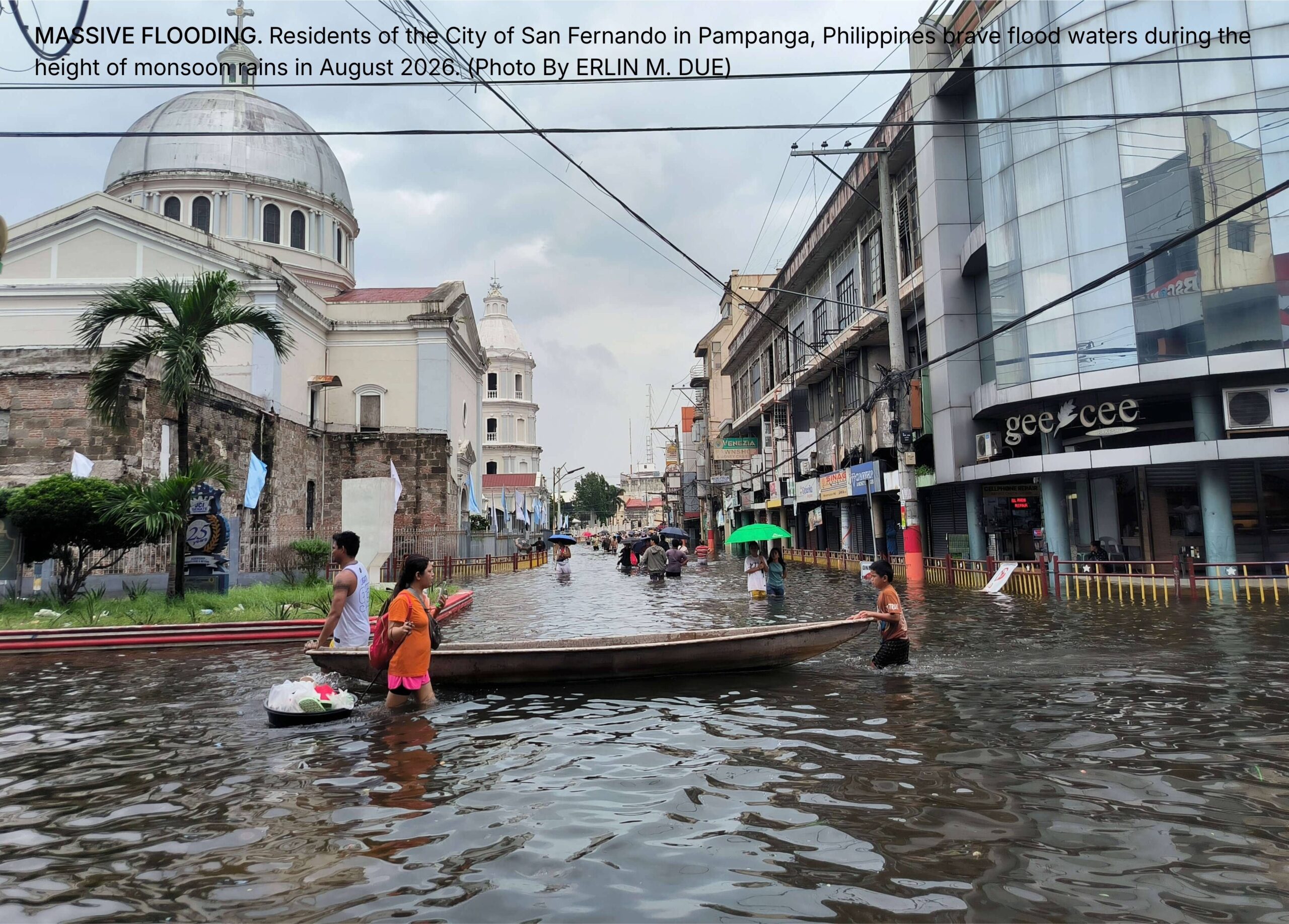
A Home Lost to the Rising Abacan
Text and Photos by LEAH DE FIESTA
THE RAIN STOPPED. THE STRUGGLE DIDN’T.
For one family in Angeles City, the hardest part of the Habagat season was not simply watching the rain continue for days. It was realizing they could no longer live in the place they once called home.
For Jessica Alcantara Horis, Habagat means rebuilding their life: finding a home, restoring a livelihood, and finding the strength to begin again.
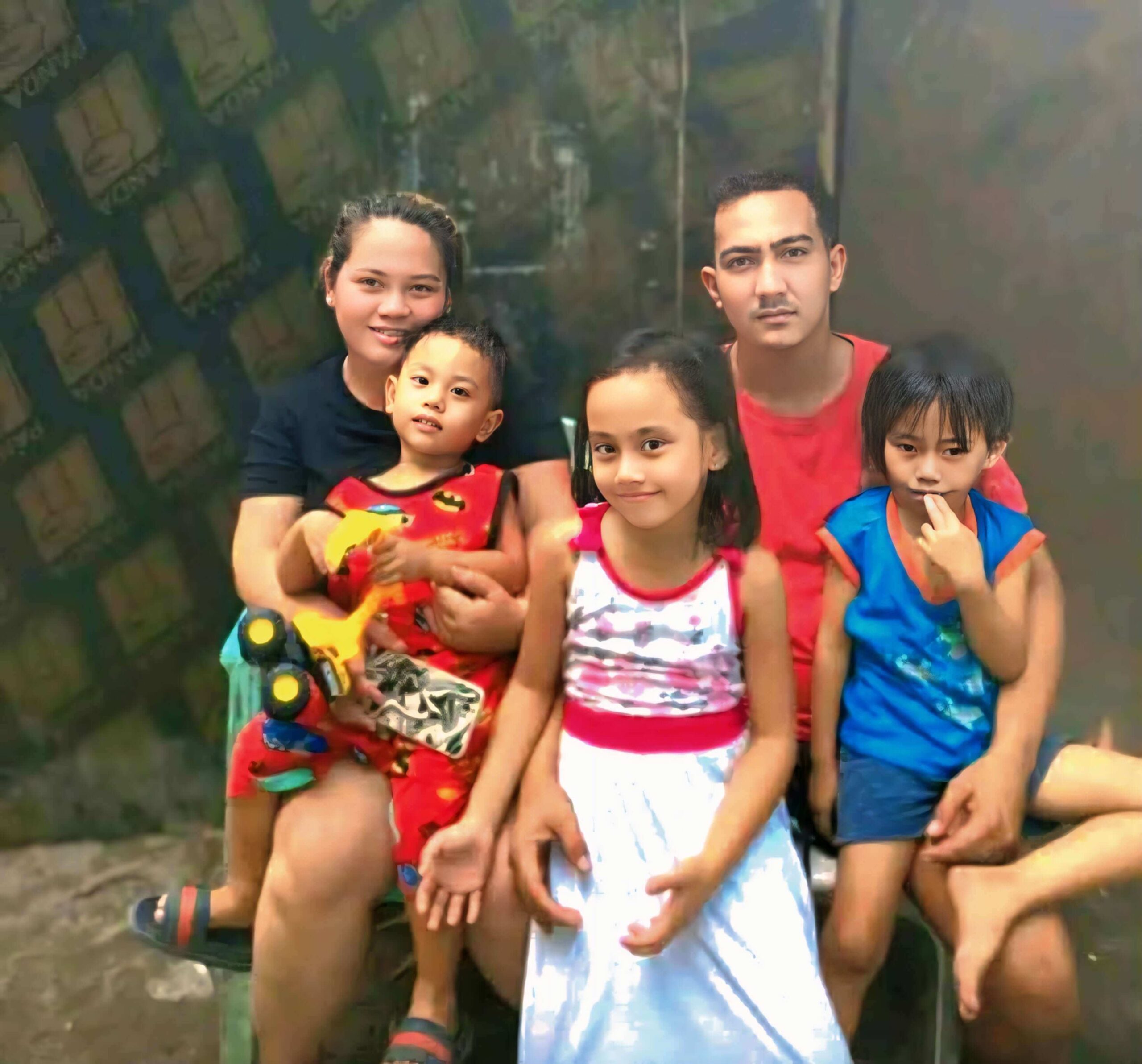
Jessica and her family
Jessica, a resident of Barangay Margot in Angeles City, lives with her husband and their four children beside a creek. After heavy rains affected their area, their house was left unsafe for the family to occupy.
Fortunately, she and her family were able to get to safety and save most of their belongings. But with four children to care for, losing a home creates a problem that does not end when the rain stops.
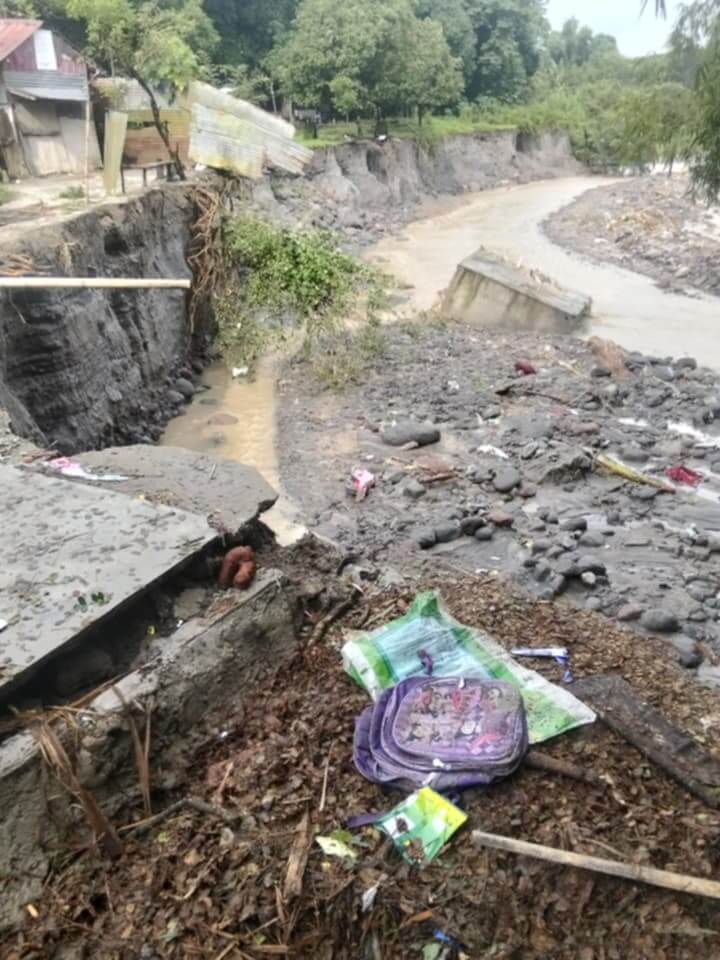
“Ang pinakamahirap po para sa amin ay ‘yung nawalan kami ng bahay,” she said.
Jessica earns a living as a manicurist. Her husband takes on construction work whenever available. But continuous rains affected his ability to earn.
“Wala naman po permanenteng trabaho ang asawa ko,” she shared.
Jessica’s experience is just one of among many reflected in the Angeles City Disaster Risk Reduction and Management Office (ACDRRMO) situation report.
The report recorded 455 families, or 1,762 individuals, across the 33 barangays in Angeles City were affected by the continuous rains.
Of these, 129 families, comprising 433 individuals, are staying in evacuation centers while another 313 families, or 1,330 individuals, have relocated to live with relatives in safer areas.
The report also stated that 11 houses — five in Barangay Margot, three in Sapangbato, and three in Sto. Domingo, have been partially damaged. Fortunately, no casualties were recorded as of the reporting period.
But behind the numbers are families facing difficult challenges about where to sleep, how to earn a living, what belongings they can save, and how to start over.
For families like Jessica’s, disaster resilience is not an abstract concept. It means having a safe place to live in when the water rises. It means having a livelihood that can withstand interruptions. And having somewhere to turn to when a home becomes unsafe.
The immediate danger may pass when the rain stops. But recovery can take much longer.
For Jessica, the question now is simple but difficult: Where does a family go when it has no home to return to?
For now, they are looking for a place to rent while figuring out how they can pay for it.
“Mahirap po sa una, pero alam ko pong malalagpasan din namin ito,” Jessica said.
She knows the road ahead will not be easy. But she remains hopeful.
“Hindi po namin alam kung saan kami mag-uumpisa. Pero may awa naman po ang nasa Taas. Alam ko pong hindi Niya kami pababayaan,” she said.
Her story is a reminder that building disaster-resilient communities does not end with evacuation and relief. It means helping families recover their homes, livelihoods, and a sense of security long after the waters recede.
For Jessica and her family, rebuilding begins with finding a safe place they can once again call home.
latest video

Stories via inbox
Get fresh perspectives on sustainability, innovation, and the trends shaping a more responsible future.