
Saving the Abacan River: Restoring a Lifeline
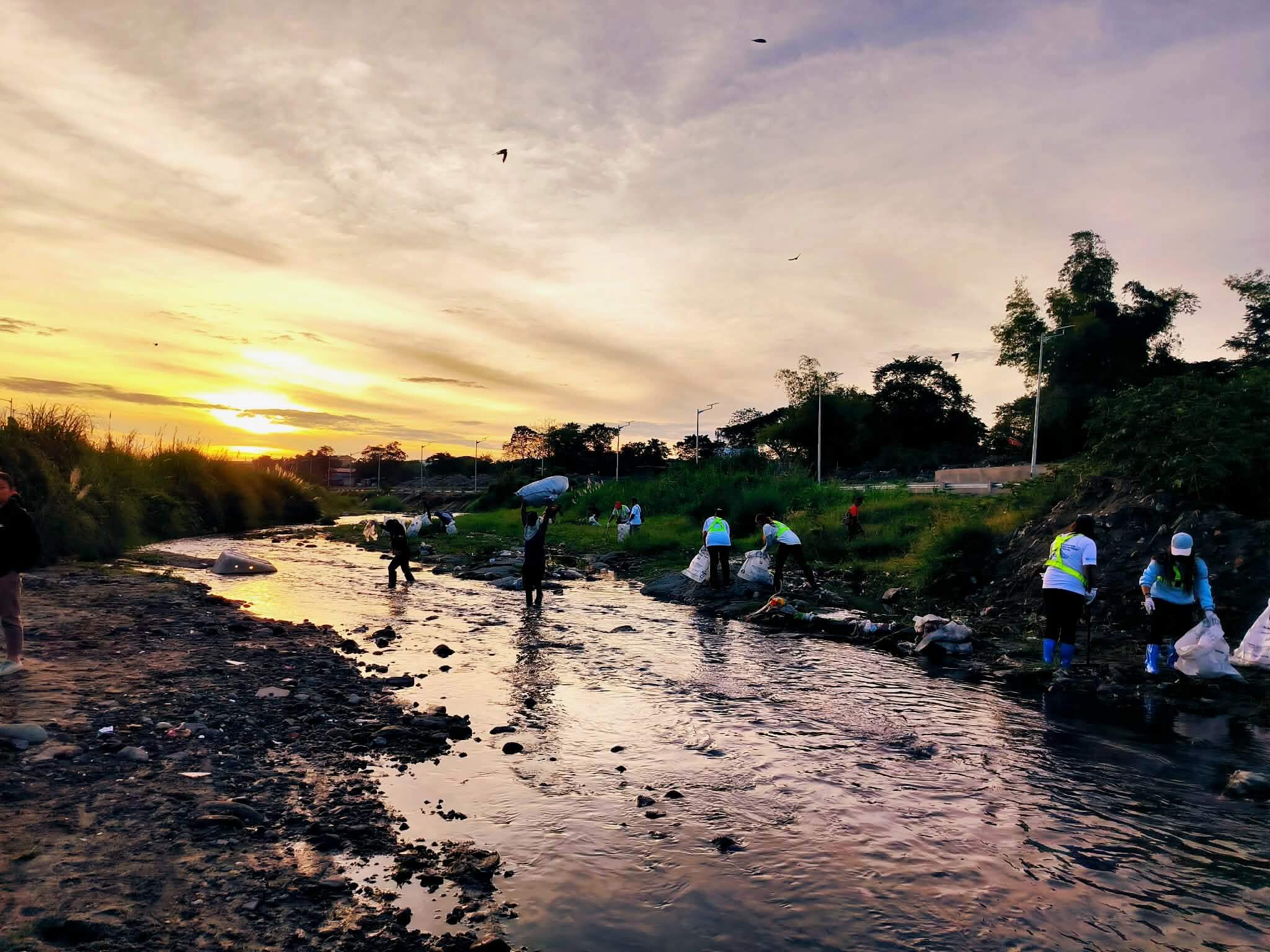
Text by MINI ZAMORA-ARCEO | Photos by ERLIN M. DUE
By the time the first pieces of trash were lifted from the water, the Abacan River has already told its story!
It tells it in the plastic bottles caught between rocks; in the sediment that slowly swallowed parts of its banks.; and in the discarded packaging and other waste that float along a river that once meant something different to the communities that grew around it.
But on the morning of April 22, 2025 in Angeles City, another story began.
People gathered along the Abacan River not simply to collect garbage, but to reclaim something they believe should never have been lost: a river as a source of life.
Their message is simple, yet deeply human: “Isang Pintig para sa Malinis at Ligtas na Tubig!”
One heartbeat for clean and safe water.
One heartbeat for a river.
One heartbeat for the future.
Volunteers participating in the Abacan River Cleanup Drive start early in the morning to clean the banks of the river channel in Angeles City of waste, particularly plastics indiscriminately disposed in the river to restore the river’s natural beauty and raise environmental awareness in the community.
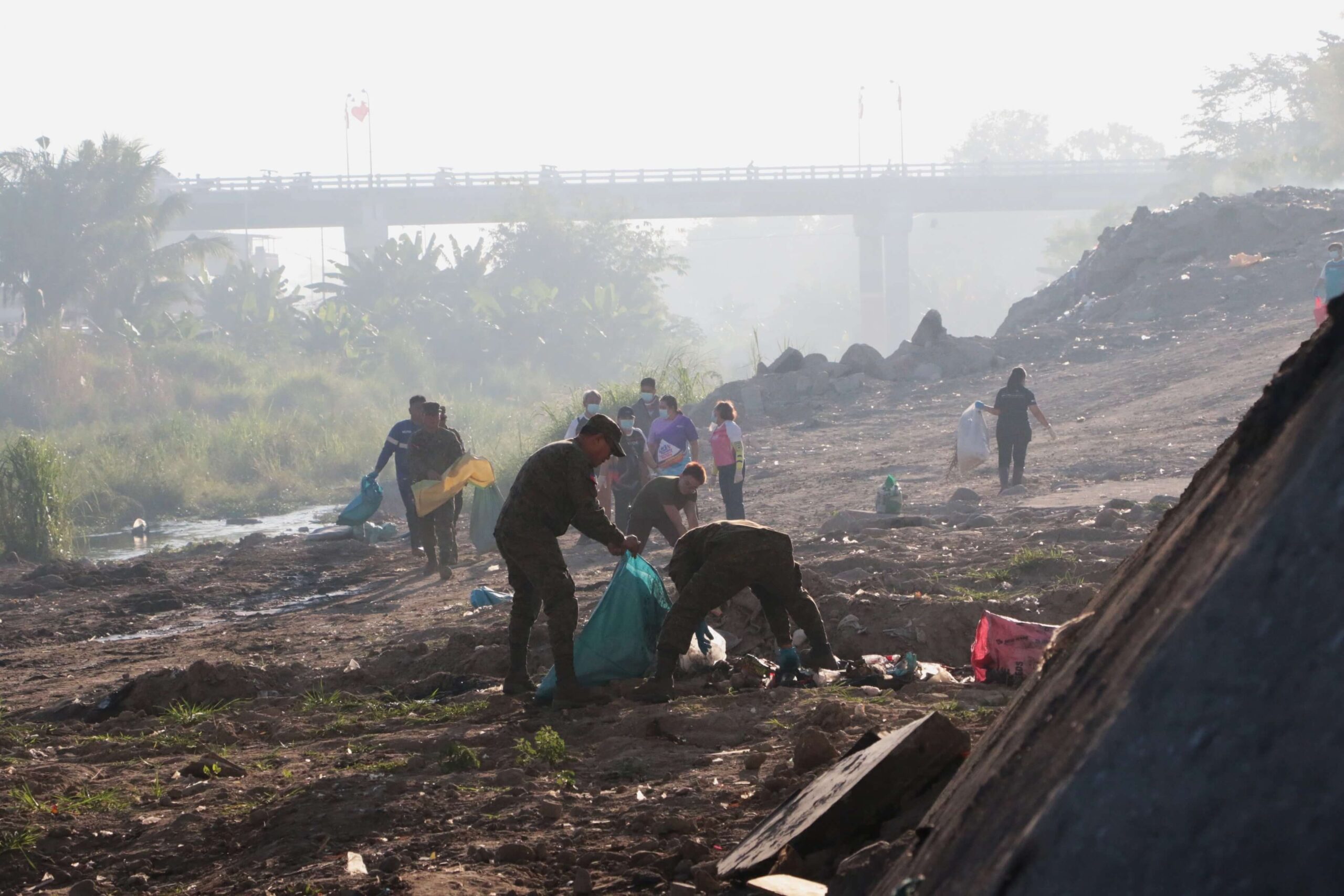
Volunteers continue the seemingly daunting task of cleaning up the Abacan River of plastics and waste a year after the Abacan River Cleanup Drive was started on Earth Day by the Balibago Waterworks System Inc. to restore the river’s natural beauty and raise environmental awareness in the community.
For those who live beside it, the Abacan River is more than a stretch of flowing water. It is part of the landscape they wake up to, pass by, built communities around, and, in ways both visible and invisible, depend upon.
An approximately two-kilometer stretch of the river winds through eight barangays of Angeles City — Anunas, Amsic, Malabanias, Pampang, Sta. Teresita, Ninoy Aquino, Balibago and Pulung Maragul.
It runs through a city that has grown rapidly, carrying with it the pressures that accompany urban life. And like countless rivers around the world, the Abacan River has paid the price.
Solid waste, sedimentation and environmental degradation have weakened the river’s health. What enters drains and waterways upstream eventually finds its way to the river. What communities throw away does not simply disappear.
That is why saving the Abacan River is not only an environmental issue. It is a story about people — and about the kind of world they are willing to leave behind.
To someone passing through Angeles City, the Abacan River might just be another waterway cutting through an increasingly urban landscape.
A polluted river is not a problem for the river alone.
Its condition can affect public health, ecosystems, livelihoods and the resilience of communities during floods and extreme weather.
Clean water, therefore, is not a luxury.
It is a fundamental requirement for human life.
Around the world, communities are confronting the same uncomfortable reality: water sources are under pressure from pollution, climate change, rapid urbanization and unsustainable human activity.
The Abacan River is part of this global story. And its restoration is a reminder that the global water crisis is not always happening somewhere far away.
From Cleanup to Commitment
The first major Abacan River sustainable cleanup program was launched during the celebration of Earth Day on April 22, 2025.
Balibago Waterworks and the Metro Angeles Chamber of Commerce and Industry(MACCII) spearheaded the inaugural cleanup at its Barangay Pulung Maragul section. Since its birth, the sustainable river cleanup is conducted every third Saturday of the month.
The effort could have ended as a single day’s act of volunteerism each month.
Instead, it became the beginning of something larger.
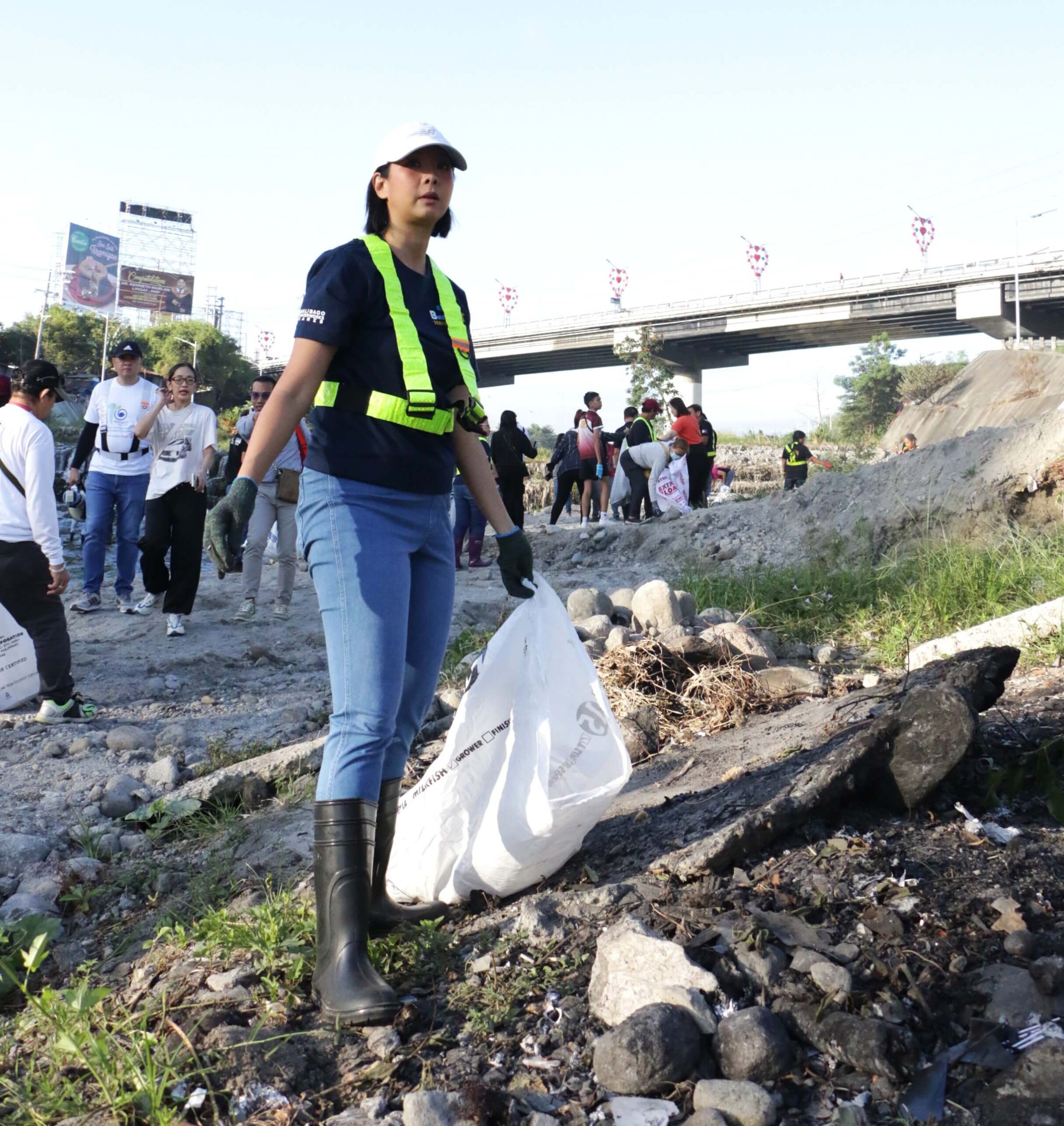
Balibago Waterworks President Criselle P. Alejandro leads employees and volunteers in cleaning up Abacan River on February 21, 2026 in Barangay Balibago, Angeles City.
On February 21, 2026, almost a year after it was launched, Balibago Waterworks President Criselle P. Alejandro signed a memorandum of understanding with new partners committed to sustaining the effort.
Joining the growing community of river “blue keepers” were the Philippine College of Criminology (PCCR), the Sangguniang Panlungsod of Angeles City, the Nagkakaisang Guardians, Hausland Holdings Inc., Soliman E.C., Philippine Scholars, and the Friends of Ed.
To date, about 1,400 straw sacks (25 kilos per sack) of waste has been lifted from the river since the sustainable Abacan cleanup started by at least 2,000 volunteers that have already joined the monthly cleanups.
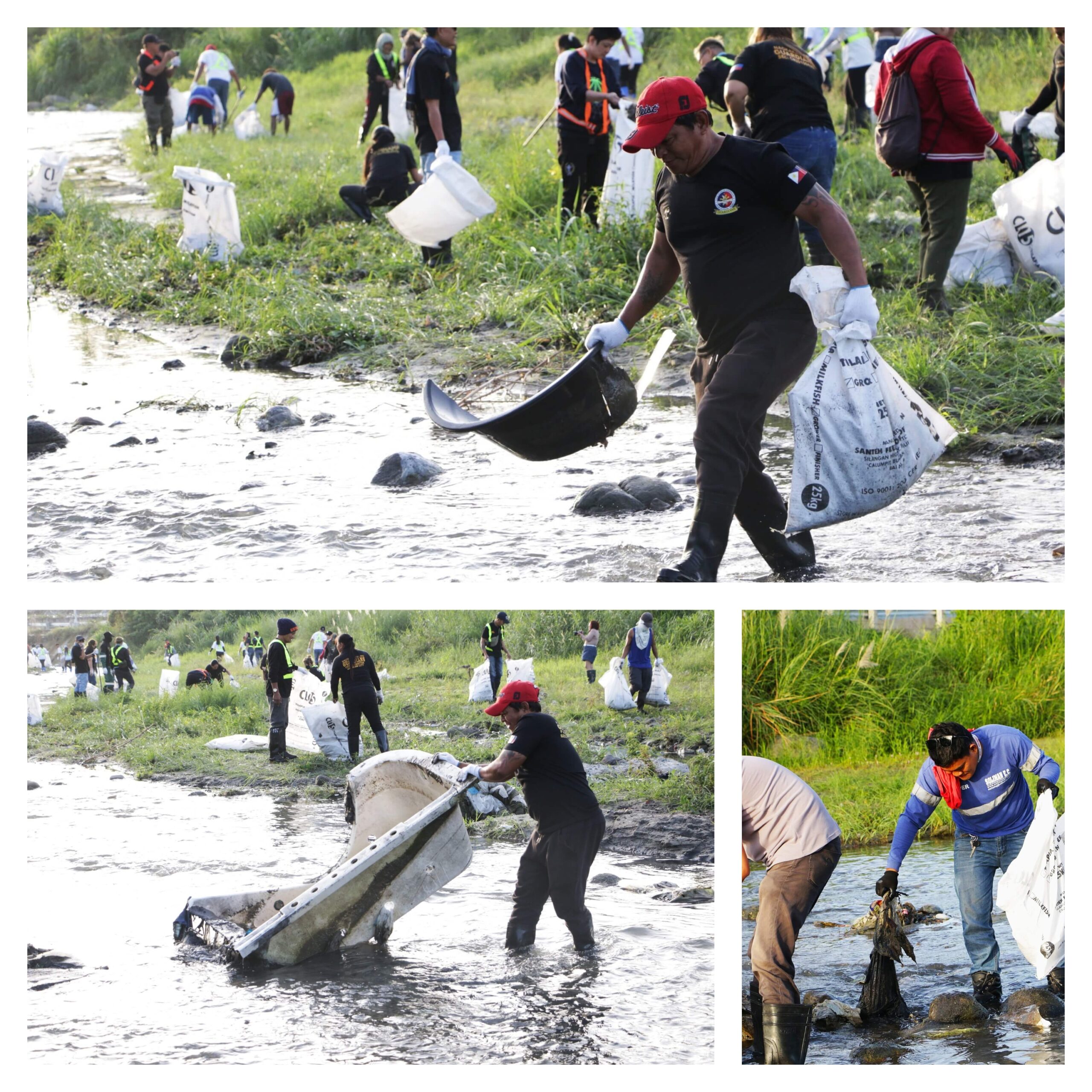
Volunteers pick up waste and garbage at the Abacan River as part of the Abacan River Cleanup Drive initiated by the Balibago Waterworks System Inc. to restore the river’s natural beauty and at the same time raise environmental awareness in the community.
Their partnership reflects an increasingly important truth about environmental protection:
No single institution can save a river alone.
Government can create and enforce policies.
Businesses can provide resources and change practices.
Schools can educate young people.
Civic organizations can mobilize communities.
Residents can change what happens at the household level.
But a river needs all of them.
Alejandro described the campaign as more than a cleanup drive.
“It is a declaration,” she said—”a declaration that people are standing together for clean, safe and secure water, not only for today but for generations to come.”
Her words carry significance beyond Angeles City.
The campaign is anchored on the United Nations Sustainable Development Goals (SDG), particularly SDG 6, which calls for Clean Water and Sanitation and the Sustainable Management of Water Resources.
But the Abacan River story does not stop with SDG 6.
Clean water is connected to Health and Well-Being under SDG 3.
It is connected to Sustainable Communities under SDG 11.
It is connected to Climate Action under SDG 13.
And perhaps, most importantly, the Abacan effort is connected to SDG 17 — the belief that partnerships are essential to solving problems that no sector can overcome by itself.
A single drop does not make a river. Millions of drops do.
The same is true of restoration.
One cleanup will not heal the Abacan River.
One memorandum will not remove years of pollution.
One policy will not change every household’s behavior.
But repeated action, sustained over time and carried by many people, can change the direction of a river — and perhaps, the direction of a community.
That is the meaning behind Isang Pintig.
One heartbeat.
Alejandro has a dream for the Abacan River. Not simply a river with less garbage; but a living river.
“A thriving ecosystem alive with fish and lush vegetation. A place of green and moving water that offers a refreshing contrast to the city surrounding it. The goal is not simply to make the river look clean. The goal is to make the river healthy,” she said.
And that distinction matters.
Because clean water does not happen by accident.
As Alejandro puts it: “Clean water is not accidental — it is managed, maintained, and monitored”.
The Abacan River story matters beyond Angeles City.
Across the world, rivers are facing similar struggles. Some are choked by plastic. Others are contaminated by untreated wastewater. Some have been reduced by overuse. Others are threatened by climate change.
Yet the story of rivers is not only a story of decline. It can also be a story of recovery.
Communities can change.
Waterways can heal.
And people can choose differently.
The Abacan River might not be restored overnight. Its recovery will demand patience, science, investment, enforcement and countless acts of ordinary responsibility.
editor's pick
latest video


news via inbox
Nulla turp dis cursus. Integer liberos euismod pretium faucibua