Groups seek independent probe into soil erosion at Subic Bay Freeport
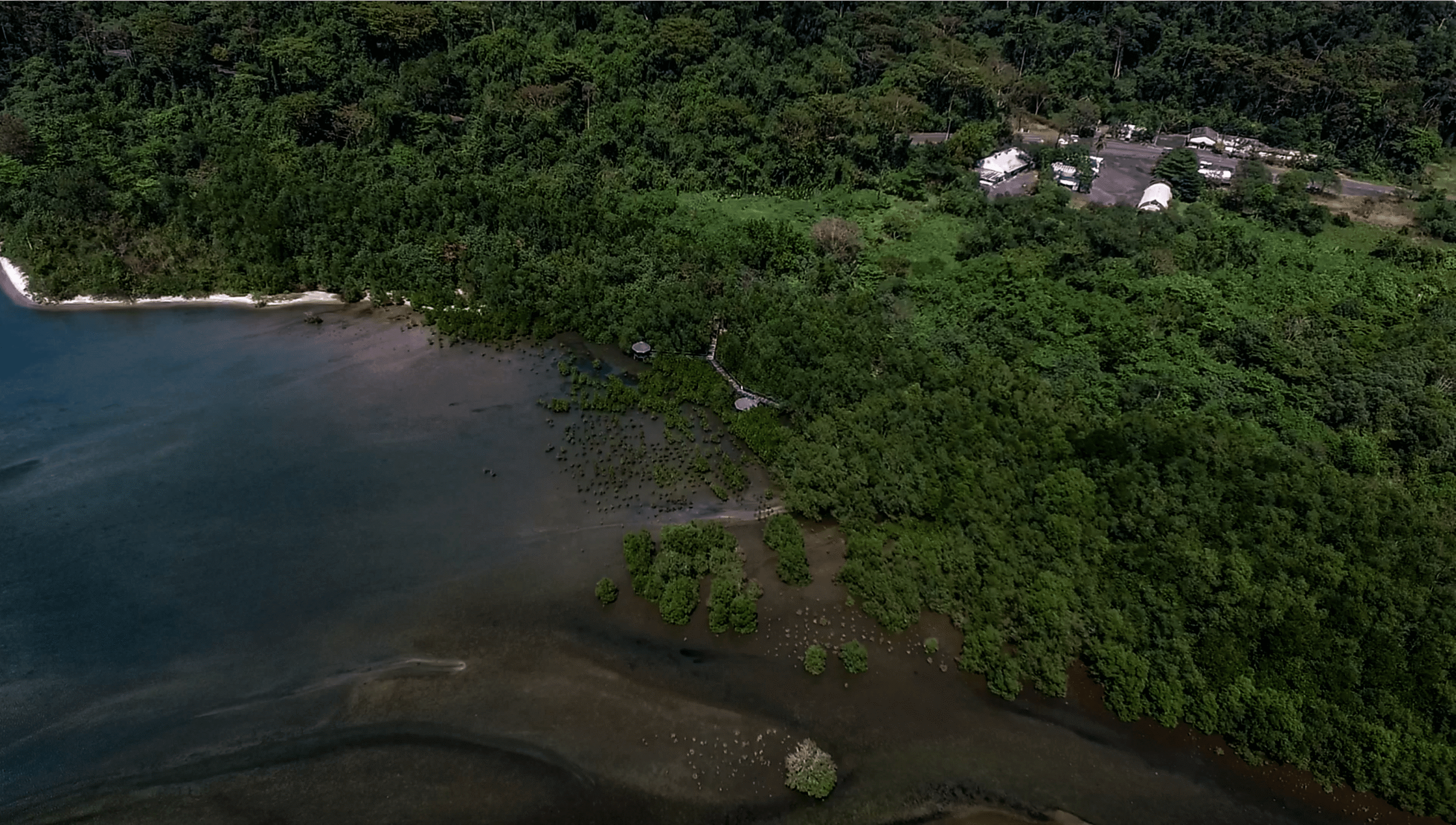
PROTECT SUBIC’S MANGROVES. A coalition of civic groups has raised concern that mangrove forests could be affected by developments at the Subic Bay Freeport. Presidential Proclamation No. 926 specifically protects the critical mangrove areas located within the Subic Bay Freeport Zone, particularly around the Binictican and Malawaan areas. (Photo downloaded September 4, 2024 from https://travelthroughparadise.com/blogs/regions/central_luzon/zambales/subic/blog_triboa_mangrove_park_zambales_subic.php)
Text by MINI ZAMORA-ARCEO
A coalition of civic groups has petitioned the Office of the President, the Senate and the House of Representatives to conduct an independent investigation into a recent incident at the Tipo High-Tech Eco Park (THEP) in the Subic Bay Freeport and undertake a broader review of development practices within and around the Freeport.
The petitioners, under the Save Subic Bay Coalition, said the THEP project’s engineering, drainage systems, environmental safeguards, permits and compliance with approved development plans should be subjected to careful review.
The issue came to a fore after continuous heavy rains caused a landslide at the THEP on August 29, 2026, killing two people and injuring two others. The rain caused soil erosion that led to the collapse of a slope protection and the landslide.
The THEP is an approximately 200-hectare mixed-use industrial development along the Tipo Expressway, near a major Freeport entry and exit.

“In light of the flood-control controversy and severe flooding affecting communities, particularly Olongapo City, we respectfully call for an independent and comprehensive review of major developments in the Subic Bay Freeport, especially those near waterways, slopes, forests and mangroves,” Jen Velarmino-van der Heijde, spokesperson of the Save Subic Bay Coalition, said.
She said the review should determine whether major developments comply with environmental, structural, land-use and public safety requirements and assess their cumulative effects on drainage, flooding, infrastructure and nearby communities.
“This is not about blaming or singling out any developer but about transparency, accountability and public safety,” Velarmino-van der Heijde pointed out.
The petitioners also called for independent technical and hydrological assessments of existing drainage, detention and water-impounding systems, particularly as development expands and extreme rainfall events become more intense.
They noted that forests and vegetation naturally absorb and slow rainwater, while buildings, roads, concrete and other impervious surfaces can increase the speed and volume of runoff.
Another major concern raised by the coalition is the protection of Subic Bay’s remaining mangrove forests. Citing available ecological assessments, the petitioners said only about 61 to 65 hectares of protected mangrove forest remain within the Freeport.
They are urging authorities to prohibit further encroachment, clearing, reclamation or development in existing mangrove areas, regardless of the project or its proponent.
Concern has also been raised over the proposed Subic-Clark Railway Project (SCRP) as its planned alignment will pass through or affect more than six hectares of mangrove areas. The petition calls for technically feasible alternatives to be examined and, if possible, for the railway alignment be adjusted to avoid the mangroves forests.
“Where a project can be moved to avoid a mangrove, move the project. Mangroves forests are not vacant land. They are natural coastal infrastructure that help protect communities from erosion, flooding and storm surges while supporting fisheries, biodiversity and marine life,” Velarmino-van der Heijde stressed.
At the same time, El Latinazo, organizer of People against Corruption Olongapo, said the petition is ultimately a call for stronger governance and preventive measures.
“We are not against investment, infrastructure or development. We are asking that rules be followed, environmental and engineering studies be meaningful, permits and inspections be properly enforced, communities be heard, and for government to strengthen safeguards when existing processes are no longer sufficient,” Latinazo said.
Meanwhile, in a public statement issued on their official website on August 29, 2026, THEP managing arm Xantheng (Subic) International Corp. (XSIC) has accepted responsibility on the soil erosion incident that occurred due to heavy rains.
“We immediately responded and coordinated with relevant agencies in tandem with the Subic Bay Metropolitan Authority (SBMA). We recognize the concerns arising from the incident and remain committed to addressing the matter with due diligence, transparency, and accountability,” the XSIC stated.
latest video

Stories via inbox
Get fresh perspectives on sustainability, innovation, and the trends shaping a more responsible future.